
Relocation
Moving From Texas to Philadelphia? 5 Things to Know Before You Buy a Home
Moving from Texas to Philadelphia can change more than your address.
By Tom FiorPublished 8 min read
Philadelphia & Delaware County Realtor · Coldwell Banker Realty | The Steven Eckell Team
Last reviewed:
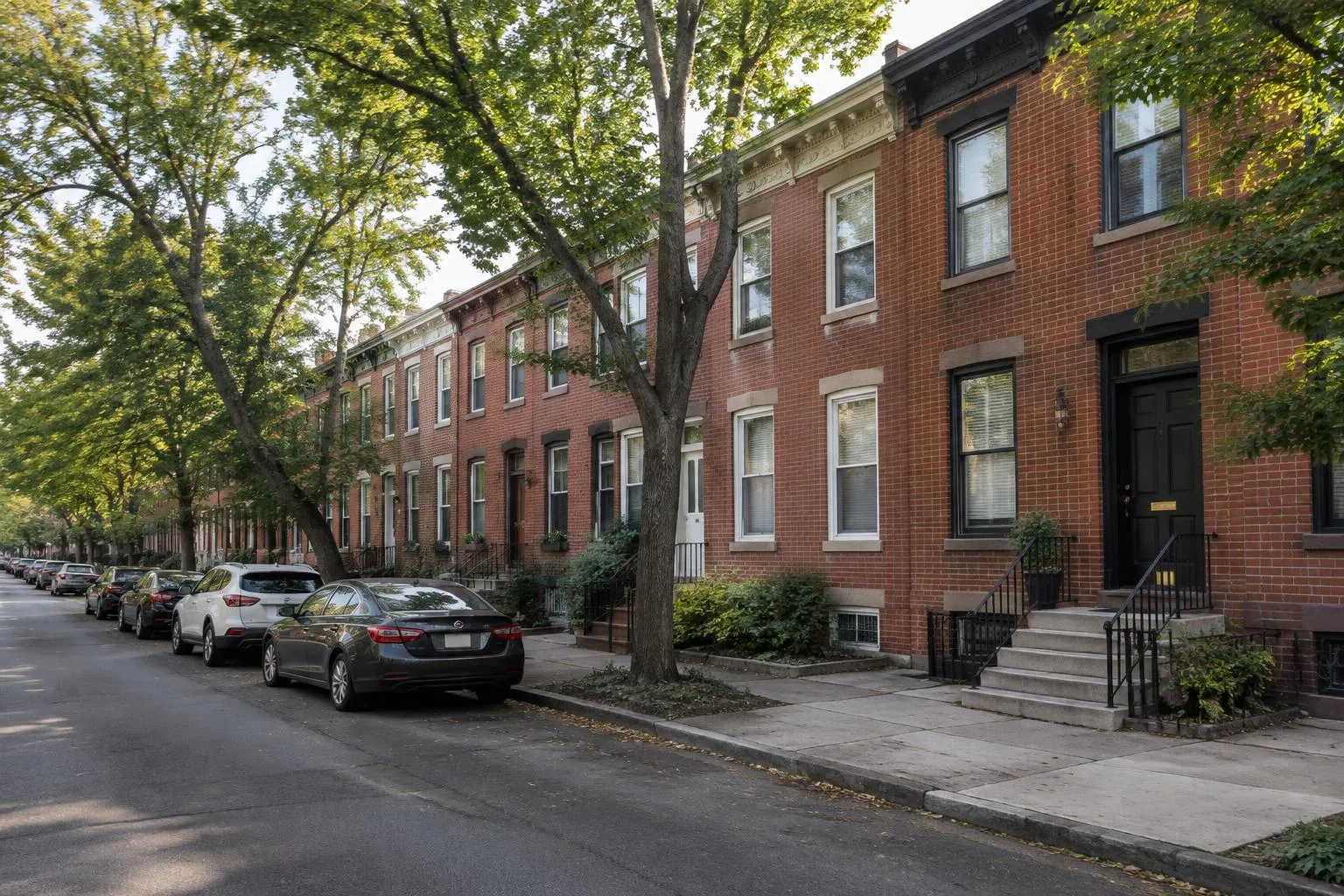
The homes may have different layouts and upkeep needs. Parking may take more thought. And your daily routine could look nothing like it did in Dallas, Austin, Houston, San Antonio or the surrounding Texas suburbs.
A Philadelphia home may even look surprisingly affordable when you first start scrolling listings.
But before you compare price tags, compare the life attached to the house.
I'm Tom Fior, a Realtor with Coldwell Banker Realty and The Steven Eckell Team. I help people relocating to Philadelphia, Delaware County and the surrounding suburbs figure out those differences before they start falling in love with listings.
Here are the five adjustments I'd want you to understand first.
Watch: Moving From Texas to Philadelphia
1. Square footage won't tell you how the home feels
Depending on where you live in Texas, you may be used to wider streets, a garage, a larger lot or more space between neighbors.
Philadelphia is different.
Rowhomes make up a major part of the city's housing stock. That can mean shared walls, narrower floor plans, smaller outdoor spaces and a much closer relationship with the street.
But that's only half the story.
That same house might put you within walking distance of coffee, restaurants, parks, transit and things you'd normally drive to in Texas.
So don't just ask:
How much square footage am I getting?
Ask:
Does this space make my normal Tuesday easier?
Think about where you'll park. Where you'll work from home. Where the dog goes outside. Where you'll store things. How you'll get groceries. What a quiet night at home looks like.
A smaller Philadelphia home can work incredibly well when the location and layout support your routine.
What changes when you look at the suburbs?
Delaware County changes the equation.
Communities such as Havertown, Springfield, Media and Wallingford can give buyers different combinations of detached homes, twins, yards, driveways and quieter residential streets.
But don't assume "suburbs" automatically means the kind of house you're used to in Texas.
Lot sizes, garages, storage, street width, home age and floor plans can still be very different.
The goal isn't to recreate your Texas house in Pennsylvania.
It's to figure out what parts of your Texas lifestyle you actually want to keep.
2. Older homes are normal here — and that's not automatically a bad thing
Philadelphia and its surrounding suburbs have a lot of older housing.
That's part of what gives the area its character.
Brick. Stone. Front porches. Mature trees. Established streets. Homes that don't all look exactly alike.
But an older house also needs to be understood differently than a newer subdivision home.
When you're touring, don't let a renovated kitchen answer questions it can't answer.
Pay attention to things like:
- Roof condition and known age
- Electrical system
- Plumbing
- Heating and cooling
- Windows
- Drainage and grading
- Basement moisture
- Sewer line when appropriate
- Past renovations and available permit information
A gorgeous kitchen doesn't tell you how the electrical system is doing.
Fresh paint doesn't tell you the roof age.
New flooring doesn't answer what's happening in the basement.
And an old house isn't automatically a problem.
I've seen older homes that have been cared for extremely well. The point is to understand this particular house through disclosures, available records, inspections and the appropriate professionals before deciding what you're comfortable owning.
If you're shopping from Texas, this conversation should happen before you fly in for a weekend of showings.
You don't want your only opportunity to evaluate an unfamiliar type of house happening while you're tired, excited and trying to see eight properties in two days.
3. Parking deserves its own place on your home-search list
Here's a question Texas buyers don't always expect to spend this much time answering:
Where does my car actually go at 9 p.m.?
Parking in Philadelphia can change block by block.
One property may have a garage.
The next might have a tiny driveway.
Another may rely completely on street parking.
And a house that feels perfectly quiet during a Tuesday afternoon showing can feel very different when everybody is home after dinner.
If keeping a car is important to you, don't treat parking like a footnote.
Drive the block later in the day.
Look at posted restrictions.
Check whether the area uses residential permit parking.
Actually look at the width of the garage or driveway instead of assuming your vehicle fits because the listing says "parking."
The Philadelphia Parking Authority operates residential permit districts in eligible areas, but the exact rules depend on the location.
And moving to the suburbs doesn't automatically eliminate the issue.
Some Delaware County homes have narrow driveways, shared driveways, older garages or less space for a second vehicle than listing photos make obvious.
If parking affects your work schedule, family routine or stress level, make it part of the search from day one.
4. Four seasons change what you should notice during a showing
Yes, Philadelphia gets winter.
That's the obvious part.
The less obvious adjustment is how having four seasons changes the way you evaluate a house.
You may already be used to thinking hard about air conditioning and summer heat in Texas.
Here, I also want you thinking about:
- Heating type
- Cooling throughout the house
- Windows and insulation
- Gutters and drainage
- Roof condition
- Grading
- Basement moisture
- Exterior maintenance
A home without central air could still work perfectly well for you.
But that needs to be an intentional decision.
A basement that looks fine during a dry showing may deserve more attention when you're evaluating how the property handles heavy rain.
Older windows may change how rooms feel in January.
Different heating systems may be completely unfamiliar if you've never owned a home with them.
When I look at a house with someone relocating here, I like thinking beyond the weather on showing day.
Picture the house on a cold January morning.
Now picture it during a humid August afternoon.
Now imagine coming home in pouring rain with groceries in both hands.
Where do you park? How comfortable is the house? Where does the water go?
Those questions tell you a lot more about living there than the staged listing photos will.
5. Your neighborhood may change your routine more than your house does
Philadelphia isn't one uniform city.
Fishtown, East Passyunk, Fairmount, Manayunk, Roxborough, Queen Village and other neighborhoods can give you completely different versions of Philadelphia life.
Some buyers want to walk outside and immediately feel like things are happening around them.
Coffee.
Restaurants.
Parks.
Transit.
People walking around.
Other buyers realize pretty quickly that they'd happily drive ten minutes for dinner in exchange for a driveway, yard and quieter street.
Neither answer is wrong.
But you need to know which one sounds more like you.
Philadelphia or Delaware County?
This is one of the biggest decisions I help relocating buyers work through.
You might love the idea of the Philadelphia experience while also loving the idea of having more room around the house.
That's where the tradeoffs start.
Inside Philadelphia, you may prioritize walkability and neighborhood activity while accepting tighter parking or less outdoor space.
In Delaware County, you may find different combinations of space, parking and residential surroundings while relying on your car more often.
Don't make that decision from a map.
When you're here, walk around.
Test the commute at the time you'd actually make it.
Look at parking after dinner.
Find the grocery store.
Find the coffee shop.
Figure out where you'd walk the dog.
See how far the things you'll use every week actually are.
You're not choosing where to spend a weekend.
You're choosing where a normal Wednesday happens.
What about taxes and the actual monthly cost?
This is where comparing Texas and Pennsylvania solely by listing price can get misleading.
The purchase price is only one piece of the move.
Pennsylvania has a state personal income tax, and Philadelphia has its own Wage Tax that may apply depending on where you live and work.
Property taxes also need to be reviewed for the specific property you're considering.
In Delaware County, property-tax obligations can involve the county, municipality and school district. That means two houses with similar purchase prices can still create different monthly ownership costs.
Then there are the other pieces:
- Homeowners insurance
- Utilities
- Parking
- Commuting
- Maintenance
- Expected repairs
- Closing costs
- Cash you want left after closing
This isn't where I try to play lender, accountant or tax professional.
My job is to make sure you're asking the right questions and looking at the whole picture before a pretty listing price makes the decision for you.
I don't care about finding the biggest number you're technically able to buy.
I care whether the house still makes sense once you actually live there.
A better way to start your Texas-to-Philadelphia home search
Before choosing neighborhoods or booking a weekend full of showings, answer five questions:
- Where will you work, and how often will you actually make that trip?
- Will you have one car, two cars or no car?
- Which matters more: walkability, a yard, a garage, privacy or being close to the city?
- How much home maintenance are you comfortable taking on?
- What do you want your normal week to feel like?
Those answers start shrinking the map.
And that's a good thing.
You don't need 75 neighborhoods and suburbs to choose from.
You need a handful of places that actually make sense for the way you want to live.
From there, we can compare Philadelphia neighborhoods with Delaware County and the surrounding suburbs, look at actual homes and talk through the tradeoffs before there's an offer deadline staring at you.
Frequently Asked Questions About Moving From Texas to Philadelphia
- Is it cheaper to buy a home in Philadelphia than Texas?
- It depends entirely on which Texas market, Philadelphia neighborhood or Pennsylvania suburb you're comparing and the specific properties involved. Don't stop at the listing price. Compare property taxes, insurance, utilities, commuting, parking, maintenance and the condition of the house before deciding what is actually more affordable for you.
- Should I live in Philadelphia or the suburbs if I'm relocating from Texas?
- Start with your daily routine rather than the house. Philadelphia may appeal to you if you value walkability, neighborhood activity, transit and being close to restaurants and entertainment. Delaware County and other nearby suburbs can provide different combinations of yards, parking, housing styles and residential settings. There is also enormous variation within both the city and suburbs, which is why narrowing your search around your routine is usually more useful than simply deciding "city" or "suburbs."
- Do I need a car in Philadelphia?
- It depends on where you live, where you work and where you regularly need to go. Some Philadelphia households can handle a large portion of their routine through walking and transit. Others rely heavily on a vehicle. If you're relocating, test the actual commute and errands you expect to make rather than assuming you'll either need a car everywhere or won't need one at all.
- What should a Texas buyer check when touring an older Philadelphia home?
- Look beyond cosmetic renovations. Ask about the roof, heating and cooling, electrical and plumbing systems, windows, drainage, basement condition and work completed on the property. Then use property disclosures, available records, inspections and appropriate specialists to better understand the specific house you're considering.

About the author
Tom Fior | Philadelphia & Delaware County Realtor
Tom is a Realtor with Coldwell Banker Realty (The Steven Eckell Team) helping buyers, first-time buyers, sellers and move-up homeowners across Philadelphia, Delaware County and the surrounding suburbs. Guidance first. Pressure never.
Have questions about your move? Let's talk.